

Let’s get into this week’s cup of biotech tea. ☕ If you only have time for one this week, I’d start with #1!
Exciting Phase 3 results for a personalized mRNA cancer vaccine ➡️
Early data on an oral therapy for inflammatory bowel disease ➡️
Extending air filter lifespans with a light-charged material ➡️
A new NIH Women’s Health Division signed in by executive order ➡️
I watched You Can See Everything, the documentary on Theranos’ Holmes ➡️
1. Story I’m Watching
The Tea: Merck & Moderna just got important Phase 3 clinical trial results for their personalized mRNA cancer vaccine, intismeran autogene.
In the INTerpath-001 trial, individuals who previously had melanoma were split into a group that received the investigational vaccine + Keytruda, and a group that received Keytruda only. The experimental group showed a 42% reduction in remission rate and improved two-year survival!
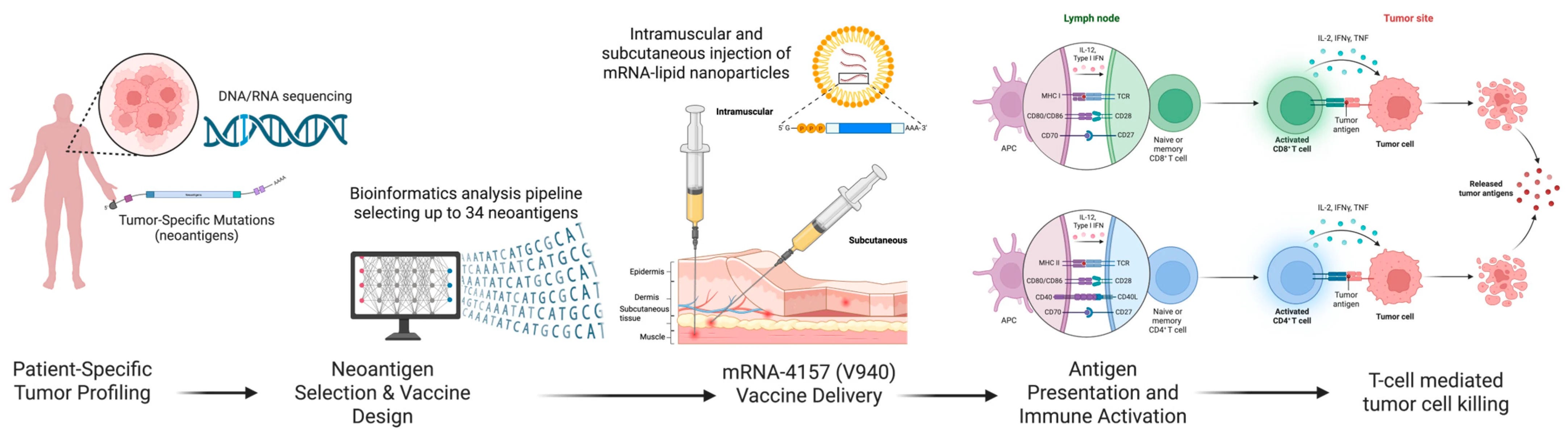
What exactly does personalized mean? The vaccine is designed to target specific antigens based on the exact tumor profile of each patient. By doing this, the immune system is trained to attack early recurrence of the patient’s specific cancer. Using mRNA technology is what makes this personalized aspect feasible. Being able to quickly manufacture the vaccine after tumor profiling is critical for patient therapy. This is just the beginning of their pipeline in this space.
The following figure is from Cancers 2025, 17(9), 1408. I thought it did a great job highlighting how intismeran autogene works.
A few more sips: We talked about early data for an early glioblastoma vaccine a few issues back! It was not personalized, nor using mRNA technology, but focused on creating patient immunity to respond to early disease.
2. From the Bench
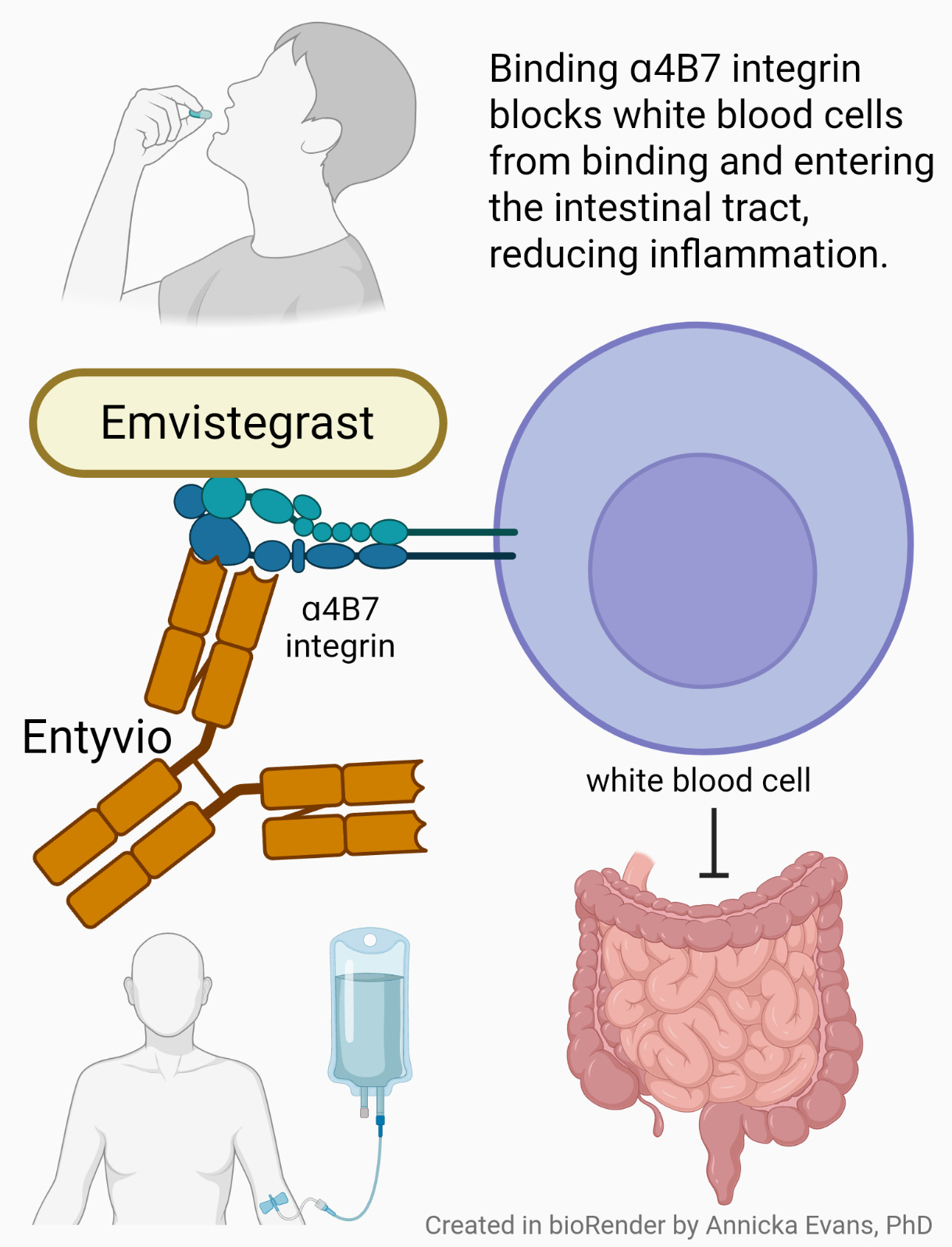
The Tea: Gilead just announced some positive early clinical trial data for their oral pill for inflammatory bowel disease. If it continues to show promise, it would be competition for the existing blockbuster, Entyvio, an intravenous (IV) therapy developed by Takeda.
Emvistegrast, in the Phase 2 SWIFT study, showed a 31% remission rate of ulcerative colitis symptoms after 12 weeks of a daily dose compared to 8% in the placebo group. The drug blocks the same protein as Entyvio — alpha-4/beta-7 integrin on white blood cells — reducing intestinal tract inflammation. The major difference is that Entyvio is an antibody-based therapy whereas Emvistegrast is a small molecule.
A few more sips: We’ve talked before (and recently) about the importance of route of administration (RoA) for therapies (it was also biotech term of the week issue #3!). Sometimes a more direct RoA is required to reach the right tissue at the right dose. But if a more convenient RoA can be developed, it usually results in better patient compliance. Just last week we discussed the development of a subcutaneous Alzheimer’s investigational therapy, for example!
Message me if you have a recent science development you’d like to see featured!
3. Bio[Tech]
*special thanks to a colleague for sending me this recommendation!
The Tea: A recent publication in Chem introduced a new technology — light-charged air filtration system (LCFS) — that could extend the lifespan of air filtration materials, including masks, filters, and screens.
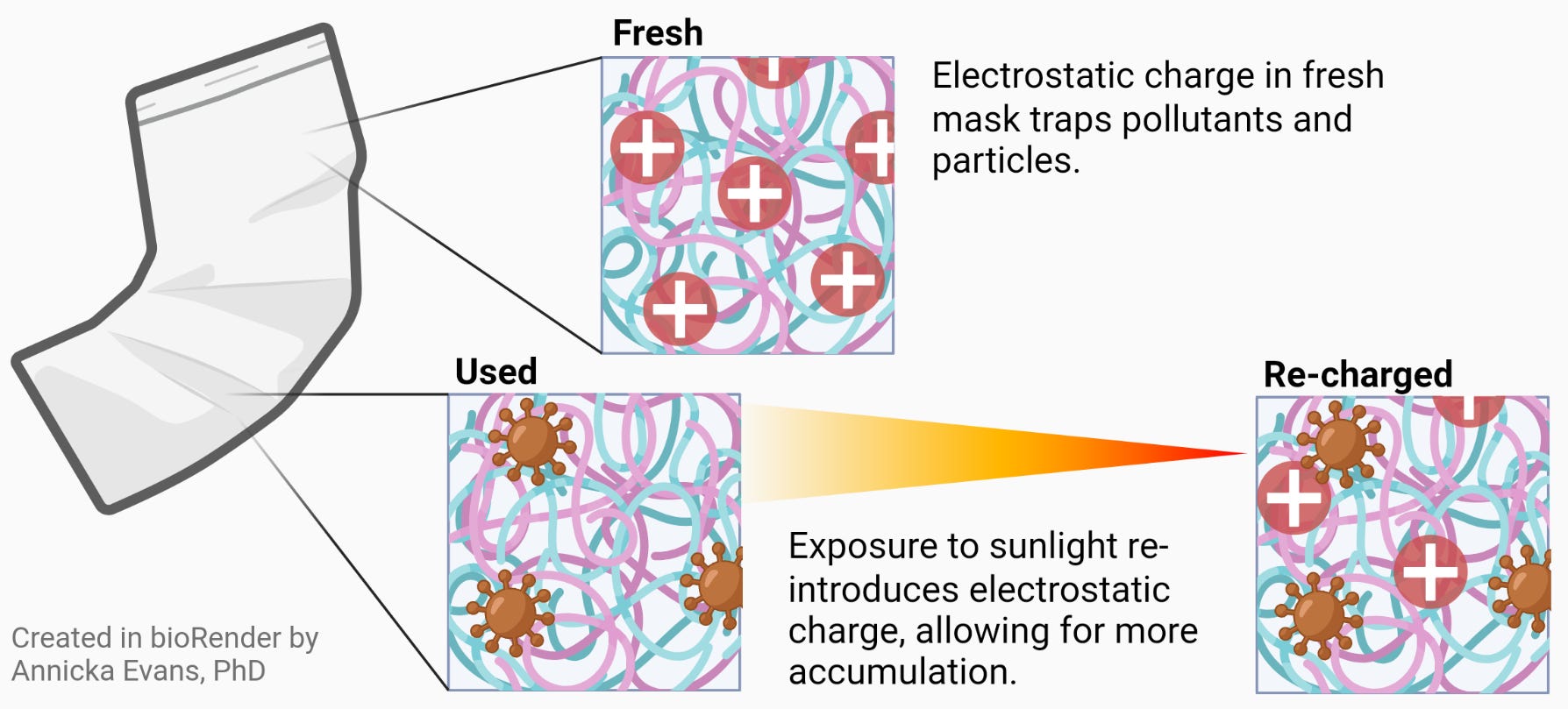
Many existing filters rely on electrostatic charge to capture airborne pollutants and infectious particles. However, as particles accumulate, that charge gradually dissipates, reducing filtration efficiency. Restoring the charge typically requires an external power source or replacing the filter entirely.
This study demonstrates a new material that uses light, converted to heat, to replenish that electrostatic charge. Researchers showed that an air filter incorporating the material, in the presence of either sunlight or synthetic LED light, maintained 99% filtration efficiency for one month and 95% through the second month! As you can imagine, technology like this could make air filtration materials much more reusable and sustainable. They even show that air filters with the LCFS technology can be washed and dried.
4. The Rulebook
The Tea: An executive order was signed last week establishing the Women’s Health Division within the NIH. The President, and the First Lady, emphasized that this administration wants to ‘prioritize translating research into improved clinical care that benefits women and girls’. Importantly, the new division will work in coordination with the preexisting NIH Office of Research on Women’s Health (ORWH) that was established in the 1990s. I think many are wondering how the new division adds to what the ORWH does currently and if funding will improve with the creation of the new division, since the ORWH has experienced a lack of resources and support under this administration.
A few more sips: This closely complements not only the work that has been done by ORWH, but also The National Strategy to Close the Women’s Health Gap launched earlier this summer by three women’s health organizations. The American College of Obstetricians and Gynecologists (ACOG), the Society for Women’s Health Research (SWHR), and the Women First Research Coalition (WRFC) call on congress to invest $20B over 10 years to address many of the federal infrastructure gaps that are required to solve many of the problems.

5. The Human Side
The Tea: If you’re in the biotech space you know about Elizabeth Holmes, her company Theranos, and the scandal around her not-so-functional platform blood analyzer instrument. It had been a while since anything about her had surfaced on my radar until glimpses of the trailer for this documentary (and commentary around it) started circulating my social media. This past week, I went to theater to see it myself!
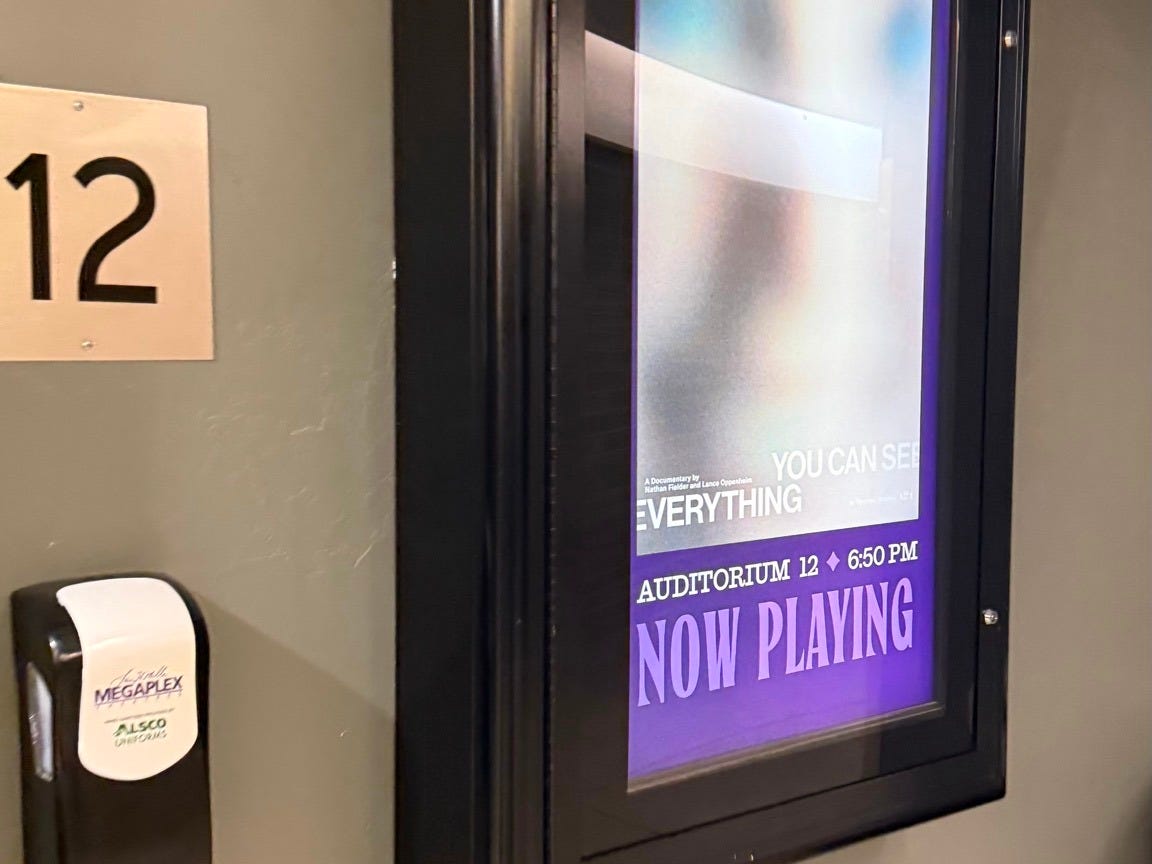
Nathan Fielder, who directs the film, is also a comedian known for his deadpan humor (and as seen in the show, ability to hold pause during incredibly awkward silences). The film focuses on Elizabeth in her home the 30 days before heading to prison — what is she like, does it feel like she is capable of major fraud, & how she is as a mother & wife — and not so much on the scientific or technical litigation. I left the theater still very much convinced Theranos deceived but unbelievably confused about how it happened. Is she a master manipulator or is she easily manipulated? See for yourself in the film!
In this opinion piece the author suggests that the way the film focuses, you are likely to walk away more sympathetic to Holmes (than you should be?) and confused on the case litigation.
