

Let’s get into this week’s cup of biotech tea. ☕ If you only have time for one this week, I’d start with #4!
Competition in the oral medication for Psoriasis space ➡️
Using ultrasound to deliver RNA/DNA using microbubbles ➡️
A more discreet insulin bolus batch for meal-time dosing ➡️
First approved active sunscreen ingredient in over 25 years ➡️
Biopharma may be losing out on early AI talent to big tech ➡️
Bonus (paid): Priority Review Vouchers (3rd of FDA Encouraging Innovation series)➡️
1. Story I’m Watching
The Tea: Psoriasis treatment, which for years has been dominated by frequent antibody injections, is moving toward a future with more oral medication options with the introduction of small-molecule and peptide drugs. Last week, data for a new oral psoriasis candidate, zasocitinib (made by Takeda) demonstrated superiority over the first-in-class drug Sotyktu (made by BMS).
So we’re all on the same page, psoriasis is an immune-mediated chronic disease that results in inflammation and the build up of skin cells causing patchy, red, and itchy skin. Treatment strategies include blocking cytokine signaling (yellow: small-molecule enzyme inhibitors), blocking cytokine binding (green: receptor antagonists), and neutralizing cytokines (blue: monoclonal antibodies).
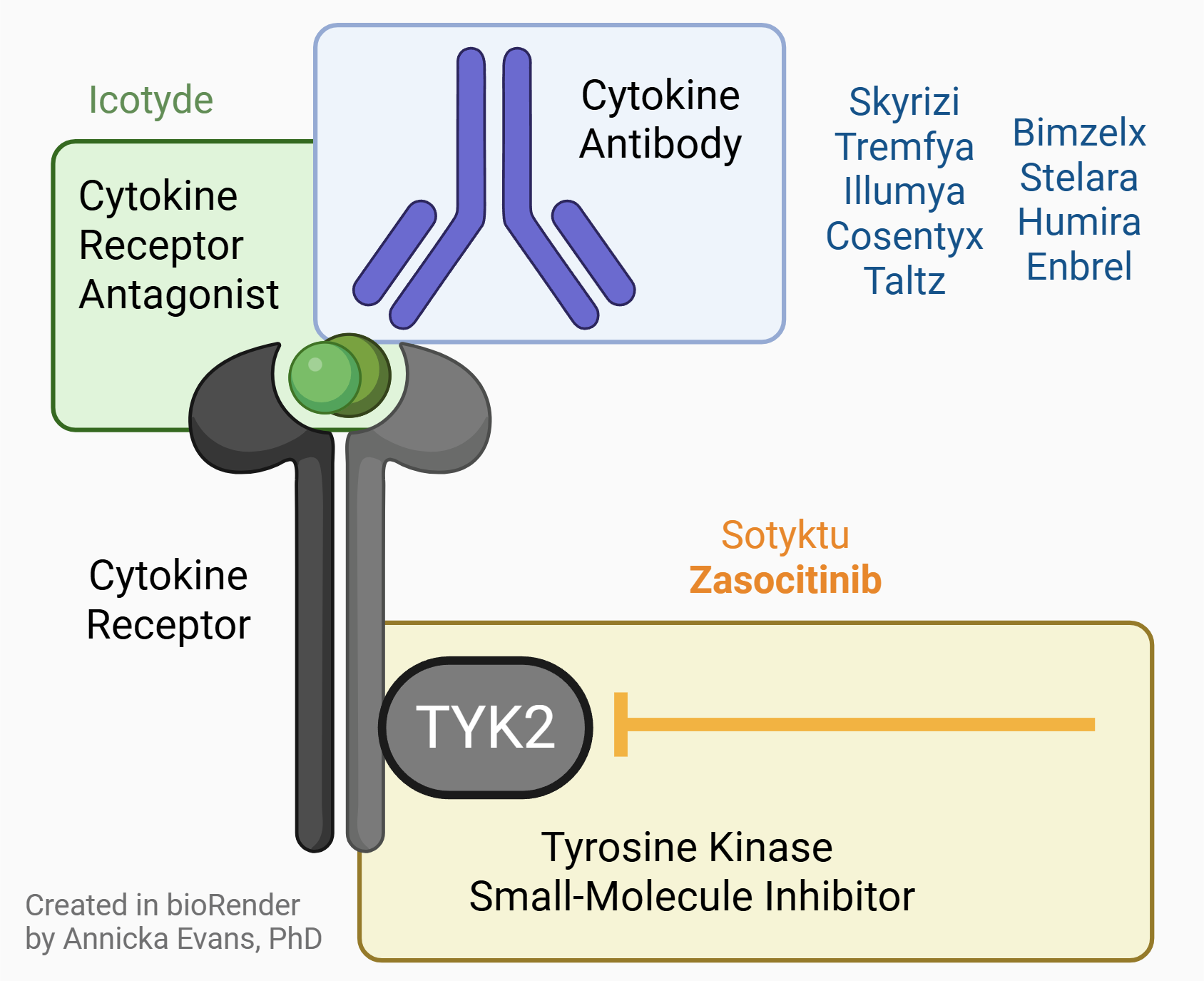
Zasocitinib is a small-molecule TYK2 inhibitor, stopping the activation of the downstream pathway after cytokine binding. Recent Phase 3 results of the LATITUDE head-to-head study showed that with zasocitinib, “more than 35%” of trial patients showed clearer skin compared to only 14% with Sotyktu (in quotes because data came from a press release). Of note, people taking zasocitinib started to show better improvement as early as 8 weeks, which is meaningful for patients.
2. From the Bench
The Tea: SonoThera just raised $125M for their ultrasound-based gene therapy pipeline. The top two candidates they are pushing toward the clinic are for Duchenne Muscular Dystrophy (DMD) and autosomal dominant polycystic kidney disease.
Most gene therapies you hear about are utilizing a lipid-based nanoparticle or a virus shell to deliver the genetic cargo. In the case of SonoThera, they are utilizing ultrasound to deliver their DNA or RNA alongside microbubbles that carefully disrupt the cell membrane, making it so the nucleic acid can get to the target.
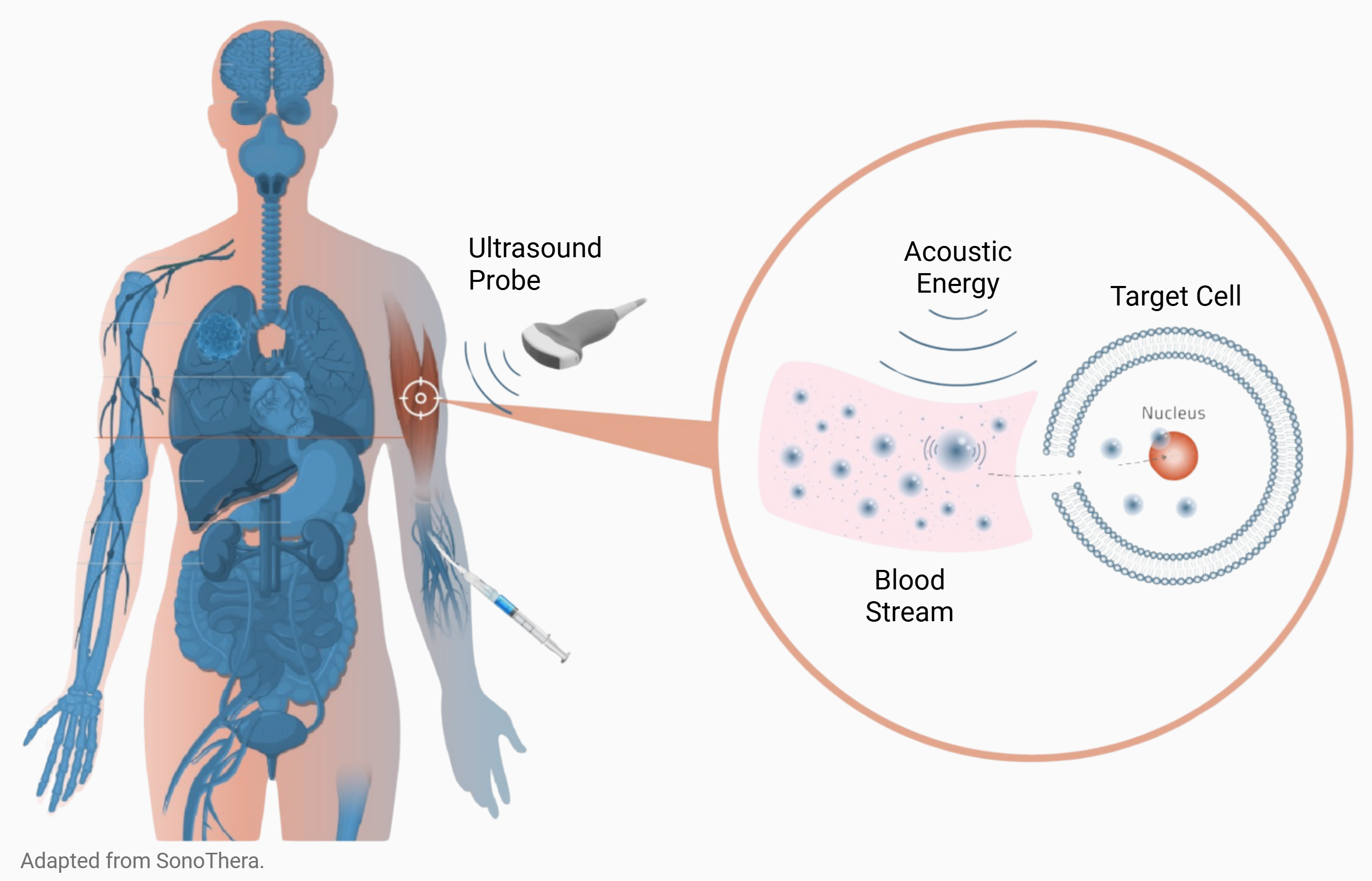
SonoThera isn’t the first to develop ultrasound-based technology for drug delivery. They are among the first to combine the technology with RNA/DNA delivery. Insightec is a medtech company that has developed a precision ultrasound technology that can target highly specific regions of the body paired with MRI. Lotus Neuro is a brand new biotech startup that peeled off of Insightec to develop the technology for delivering to the brain and crossing the blood brain barrier.
A few more sips: Ultrasound delivery has a few potential advantages. One, unlike with viral vectors, the size of the genetic payload is not as limited. For example, when using AAV, there is only 4.2kb space to put your therapeutic gene. Two, redosing is safer with microbubble delivery. Using AAV as an example again, after the first dose, the body will produce anti-AAV antibodies, making future doses less effective (or not possible). Delivery with microbubbles doesn’t produce a lasting immune response.
Message me if you have a recent science development you’d like to see featured!
3. Bio[Tech]
The Tea: Meal-time dosing of insulin is getting easier for patients looking to move away from the standard pen injector. CeQur, a Swiss company, just got two new FDA clearances expanding the use of their CeQur Simplicity insulin patch. On the tails of this success, they also announced raising $100M in seed funding for moving the expansion to commercialization.
What is it? A slim, water-proof, and convenient insulin bolus patch that gives 2U of insulin with the quick squeeze of two side buttons. Up until this week it had only been cleared for use for 4 days at a time, but the latest clearance extends that to 7 days. It also opens the door for a version that gives 1U dosing, which gives better bolus precision for users.
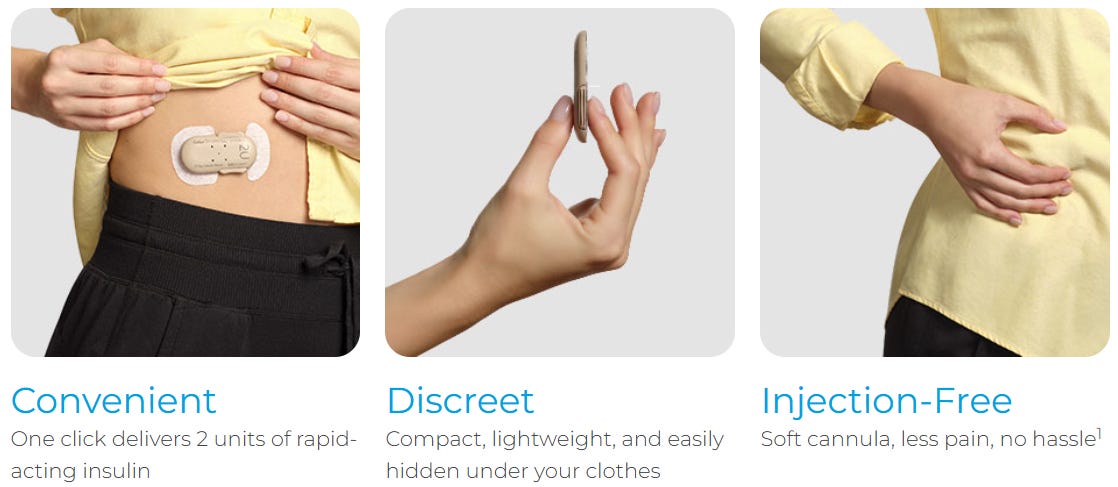
While syringes, pens, and pumps are able to deliver variable amounts of insulin depending on the situation, they are less discreet, less convenient and can require a lot of training. This fills a gap for some Type 1 and Type 2 diabetes patients who are looking for a simple meal-time bolus system.
4. The Rulebook
The Tea: The FDA has approved the first new UV filter in over 25 years — bemotrizinol or BEMT. If you’ve purchased sunscreen while abroad, it’s very likely you’ve already used it. Because it’s such an excellent UV filter, BEMT has been approved in Europe since 2000 and even longer in many Asian countries.
So what was the road block in the U.S.? At a high-level, really strict data requirements. Maximal Usage Trials (MUsTs) are required for topical product NDAs in order to assess how much of the product is systemically absorbed. If the MUsT results find that absorption is over 0.5ng/mL, animal studies that assess reproductive toxicity and carcinogenicity are required. This level of data is not required for approval abroad, because sunscreens are regulated as cosmetics, not drugs.
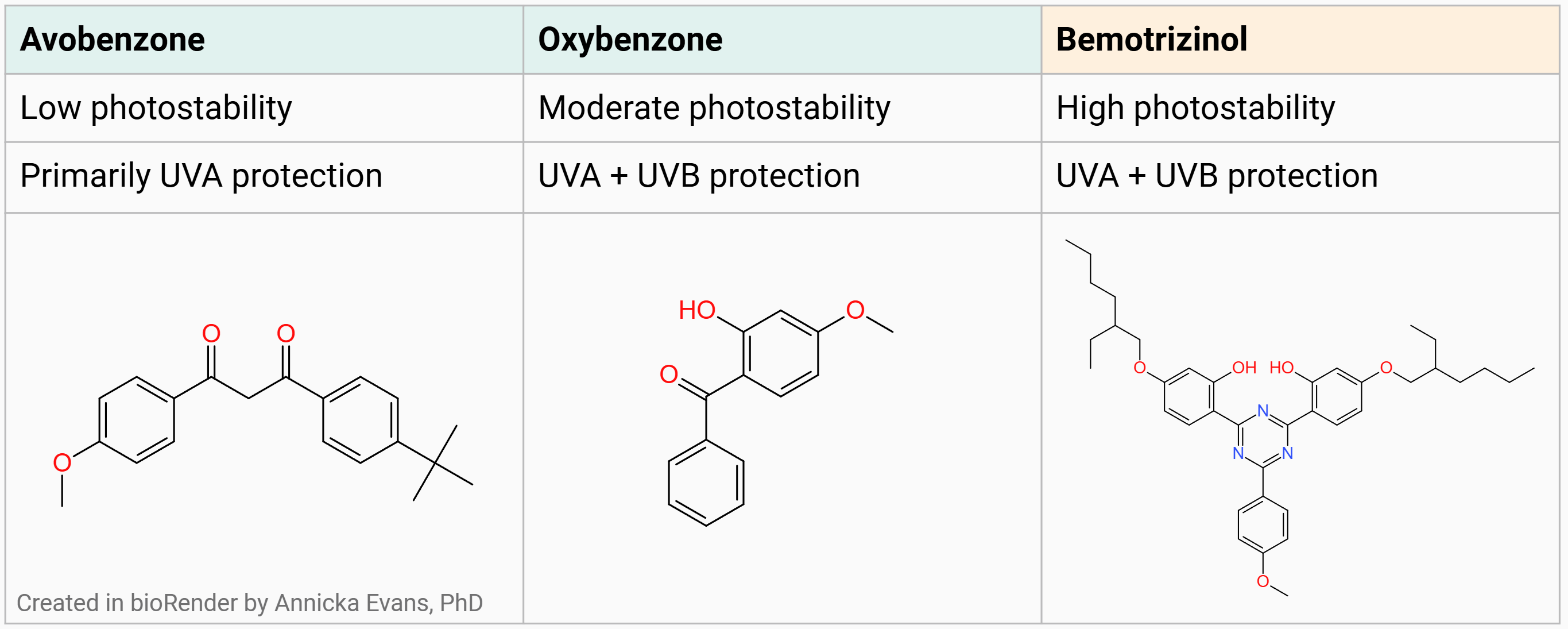
BEMT, because it is a very bulky molecule, has low systemic absorption (around 0.1ng/mL). Therefore, it already didn’t trigger the animal study requirements. So, the reason it’s taken so long is honestly one of regulatory failure. The last few years we have seen several versions of laws, acts, and guideline updates to try and give the whole landscape a much-needed refresh. It’s very likely that the 2025 provisions in H.R. 5371, which pushed the FDA toward broader data acceptance for sunscreens, finally moved the needle on allowing approval based on the 25+ years of global post-market safety data.
A few more sips: If you’re interested in a recently updated overview of sunscreen, I’d highly recommend this post by The YLE Admin Team.

5. The Human Side
The Tea: In this opinion piece, we learn a tale of caution for pharma companies losing out on the next generation of AI talent to the more attractive salaries of big tech. Mazdak Abulnaga is a high-performing 33-year-old post-doc developing health and science related AI models. But when he, and others like him, are asked where they are headed, pharma isn’t top priority. Salaries not only tend to be lower but pharma has a ways to go when it comes to embracing AI and showing up in tech spaces as invested players.

Biotech Term of the Week
Paid Subscriber Bonus Content
Priority Review Vouchers (PRVs)
