

🗝️ Paid subscribers get the Biotech Term of the Week at $30/year (~$2.50/month). I try to keep it intentionally accessible, but if cost is ever a barrier, send me a message. A few people asked about expensing your subscription, so I put together a short email template you can send to your manager. Your support helps keep this brewing each week.
Let’s get into this week’s cup of biotech tea. ☕ If you only have time for one this week, I’d start with #1!
The current Ebola outbreak doesn’t have a vaccine, but do alternative exist? ➡️
Startup takes a new approach to making mRNA tech more durable ➡️
A simpler way to detect damage to blood vessels ➡️
The FDA director resigns, ushering in Kyle Diamantas ➡️
An appreciation piece for genomic pioneer, J. Craig Venter ➡️
Bonus (paid): Priority Review (last of FDA expedited programs) ➡️
1. Story I’m Watching
The Tea: The latest Ebola outbreak in the Democratic Republic of the Congo (DRC), features a vaccine-less virus, Bundibugyo ebolavirus (BDBV), but the WHO is debating the use of other ebolavirus vaccines to combat the deadly disease spread.
Ervebo, made by Merck, is the only vaccine approved for use in humans and targets the most prevalent ebolavirus species to date, Zaire ebolavirus (EBOV). Ervebo is a live, attenuated virus vaccine. An Ebola envelope glycoprotein (think: spike protein) is placed within a weakened vesicular stomatitis virus (VSV) vector, resulting in specific EBOV immunity.
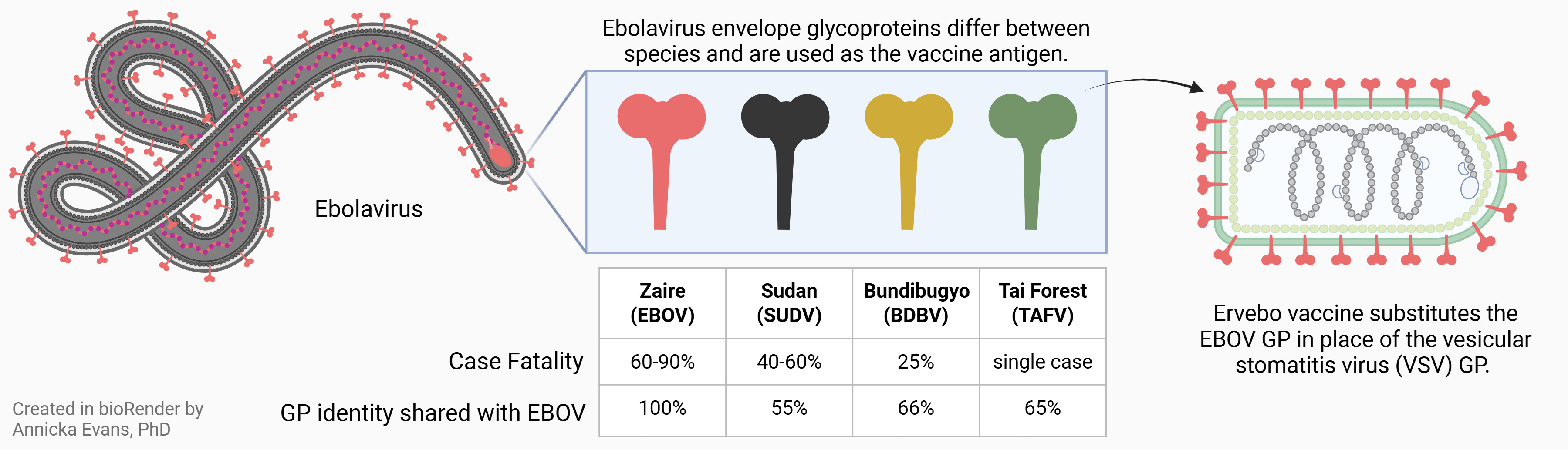
While EBOV and BDBV have distinctly different spike proteins, a 2011 paper in macaques showed some unexpected cross-protection. Data is very limited and risks are unknown, but the WHO is actively having conversations about the utility in deploying Ervebo as an emergency response to control the spread. Importantly, the two FDA-approved antibody treatments are also only for EBOV.
A few more sips: There are several papers exploring pan-Ebola protection (or at least cross-protection between species), but the large divergence of glycoproteins between species, combined with low research prioritization, has stunted success.
Besides the findings that Ervebo could potentially challenge BDBV in macaques, the next most promising research for BDBV protection is from 2013 and explored a blended strategy. Monkeys were given a shot with spike protein from the Sudan ebolavirus (SUDV) followed 2 weeks later by a shot with spike protein from EBOV. The SUDV vaccine has been tested in small clinical trials and there is a limited clinical-grade supply that is held by IAVI, who has already said they will give if requested.
2. From the Bench
The Tea: While mRNA technology certainly hits lots of headlines, a small start-up that just launched, ParcelBio, with the goal of improving mRNA durability in the cell, caught my attention. While short-lived protein expression is fit-for-purpose for things like vaccines, many other applications of mRNA therapy would benefit from more enduring expression.
David Weinberg and Chris Carlson, ParcelBio co-founders, think they’ve determined a more robust way of stabilizing mRNA delivery, driving higher and longer protein expression in cells. They’re focusing on engineering the untranslated 5’ and 3’ portions of the mRNA payload to recruit naturally occurring stabilizing proteins in the cell. They have named their technology Amplified and Prolonged EXpression mRNA (APEXm). They plan to present early data at this week’s ASGCT conference and I look forward to seeing it.

A few more sips: Weinberg and Carlson used to work at CircBio (which became Orbital, which was acquired by BMS last year). CircBio was also in the business of stabilizing mRNA delivery but their now-BMS owned platform does it by circularizing mRNA. ParcelBio is being very closed-lipped on their strategy but we can guess it is some combination of RNA regulatory optimization (secondary structure, protein recruitment, etc.).
Message me if you have a recent science development you’d like to see featured!
3. Bio[Tech]
The Tea: There’s potentially a new blood-based test to detect early signs of heart and kidney disease by measuring glycocalyx signatures in red blood cells (RBCs).
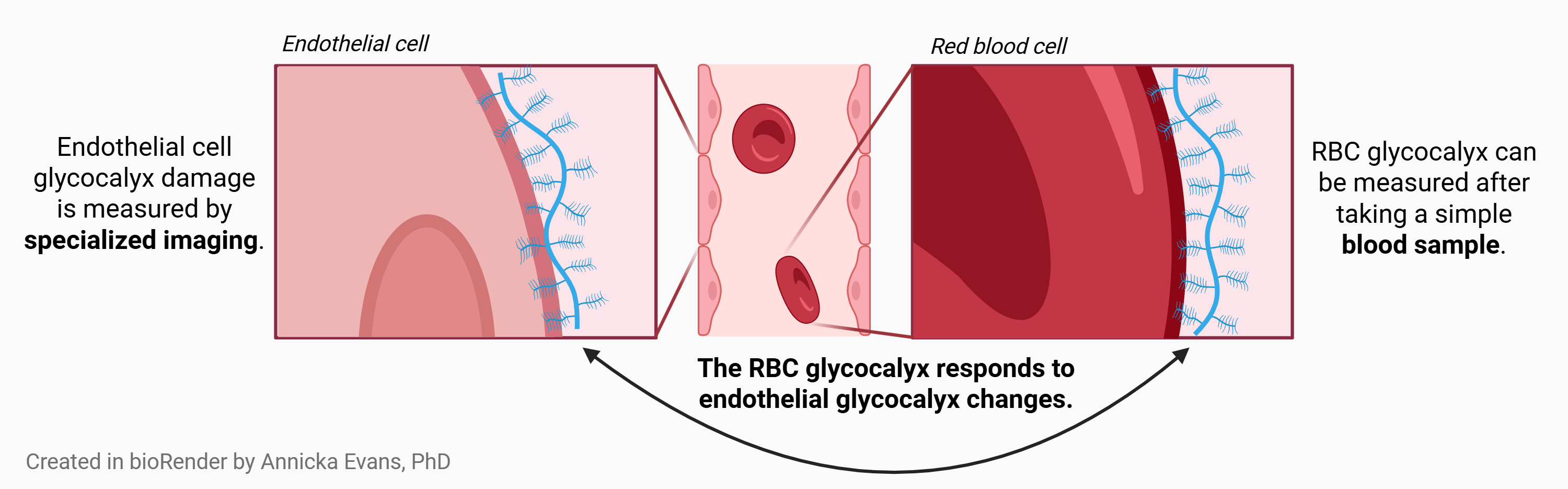
Damage to the endothelial cell glycocalyx of microvessels is associated with a multitude of diseases and is currently measured by specialized imaging (called GlycoCheck).
But research published in Nature Communications earlier this month demonstrated that RBCs respond to damage to endothelial cells by showing their own glycocalyx changes. And since blood samples are easy to obtain in a clinical setting, a blood-based RBC glycocalyx assay would be simpler and more scalable.
4. The Rulebook
The Tea: In the wake of Marty Makary resigning as Director of the FDA last week, Kyle Diamantas, the former deputy commissioner of the Food part of the FDA has temporarily stepped in.
It’s thought that the final straw was Makary pushing back on Trump’s ask to approve fruit-flavored nicotine vapes (decreased risk for people who smoke but increased risk for people who do not).
Diamantas is a lawyer, not a scientist, bringing some concern about his knowledge for leading drug regulation during his stay. Fortunately, however, The FDA Group reports that day-to-day review hasn’t noticeably changed amidst the many changes to leadership in the past few weeks.
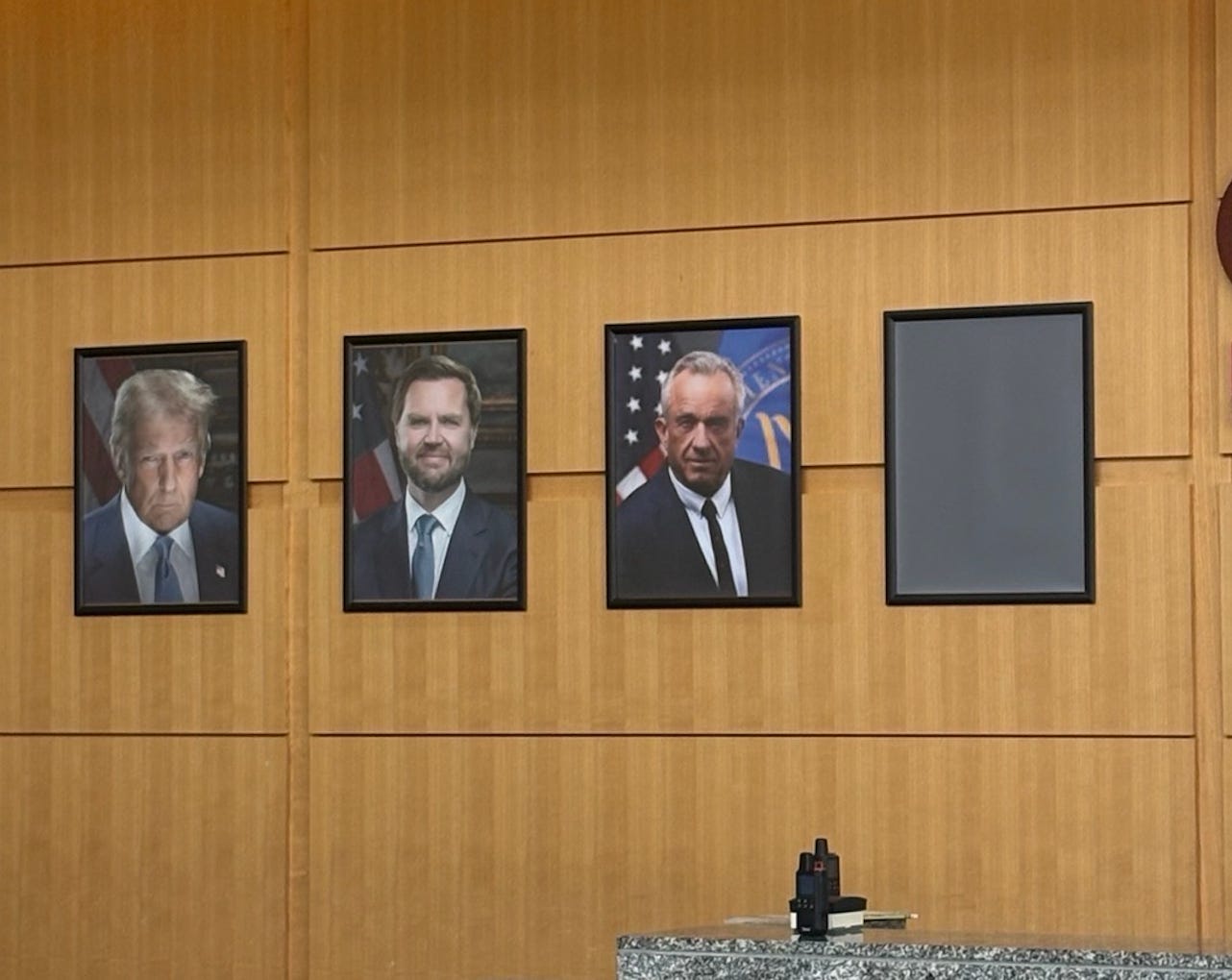
A few more sips: Jeremy Faust, MD with Inside Medicine spoke with several agency employees and it wasn’t until Friday (resignation on Tuesday) that there was any internal announcement made about his departure. Instead, FDA employees heard the news through the media AND an ominous blank picture frame hanging on the wall of the headquarters lobby (check out his newsletter for more on this!).
5. The Human Side
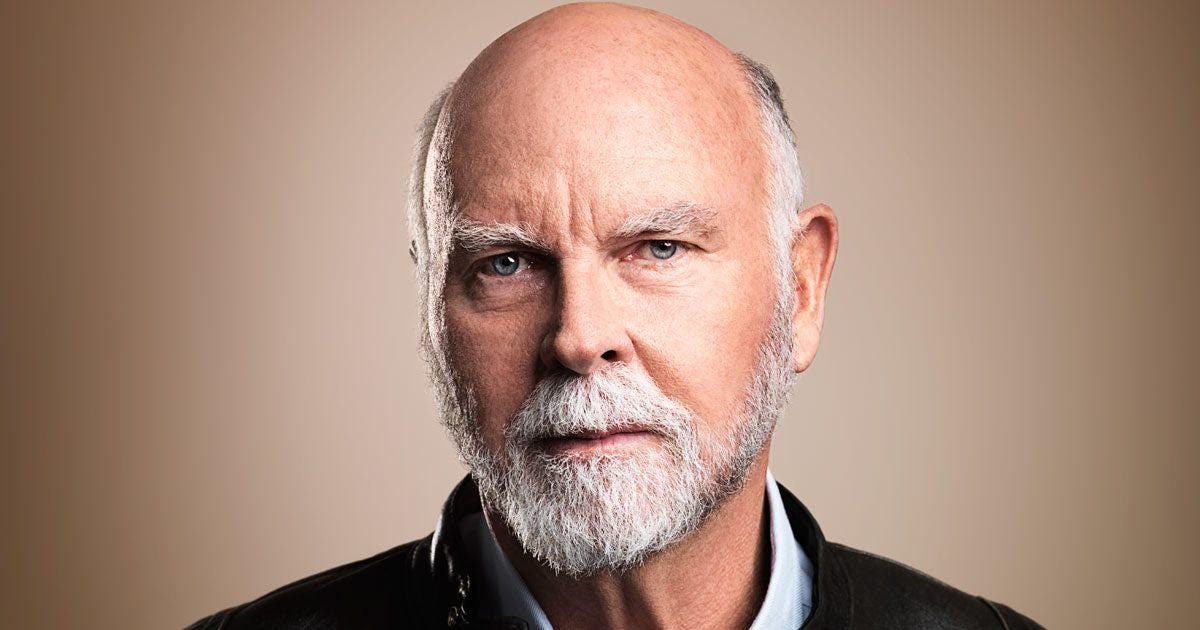
The Tea: J. Craig Venter, a modern-day genomics pioneer, died earlier this month and STAT reporter, Matthew Herper, comments on his career in this appreciation piece. Harper notes that he first encountered Venter 25 years ago at the earlier part of his journalism career, when Venter was running Celara Genomics and racing the government-funded Human Genome Project. From the read you can tell that Venter was a bold character — enchanting some, upsetting others — but most agree that he had a very transformative role in genomics and synthetic biology.
Biotech Term of the Week
Paid Subscriber Bonus Content
Priority Review
