Are there fetal cells in vaccines?
Let's talk about how cells are used in vaccines!

Vaccines do not contain fetal cells.
Cell lines have many important functions in the development of therapeutics and are pivotal for science and medicine. However, they are not a component of vaccines and statements saying so are misleading.
How are cell lines used then?
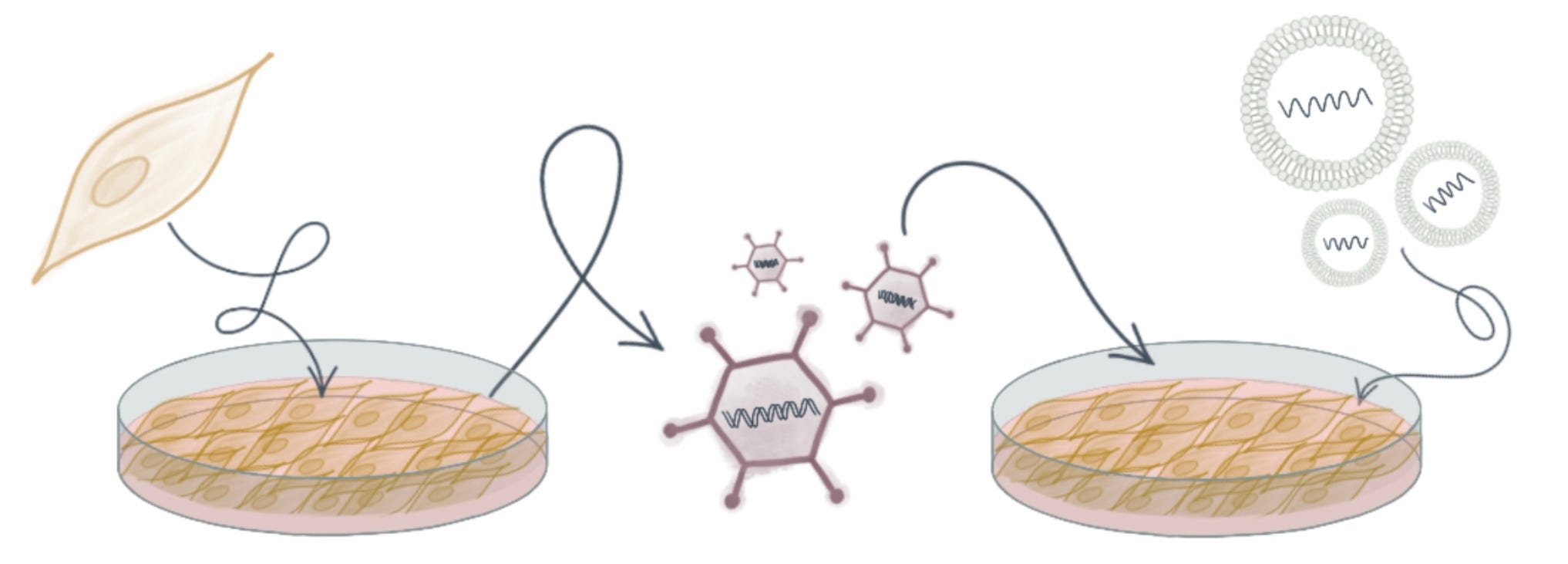
Cell lines are regularly used in research and testing labs when developing a new drug:
1. To produce biological material
Cells are used to grow biologics, which are things produced by a living organism.
viral-based vaccines
antibodies
proteins/peptides
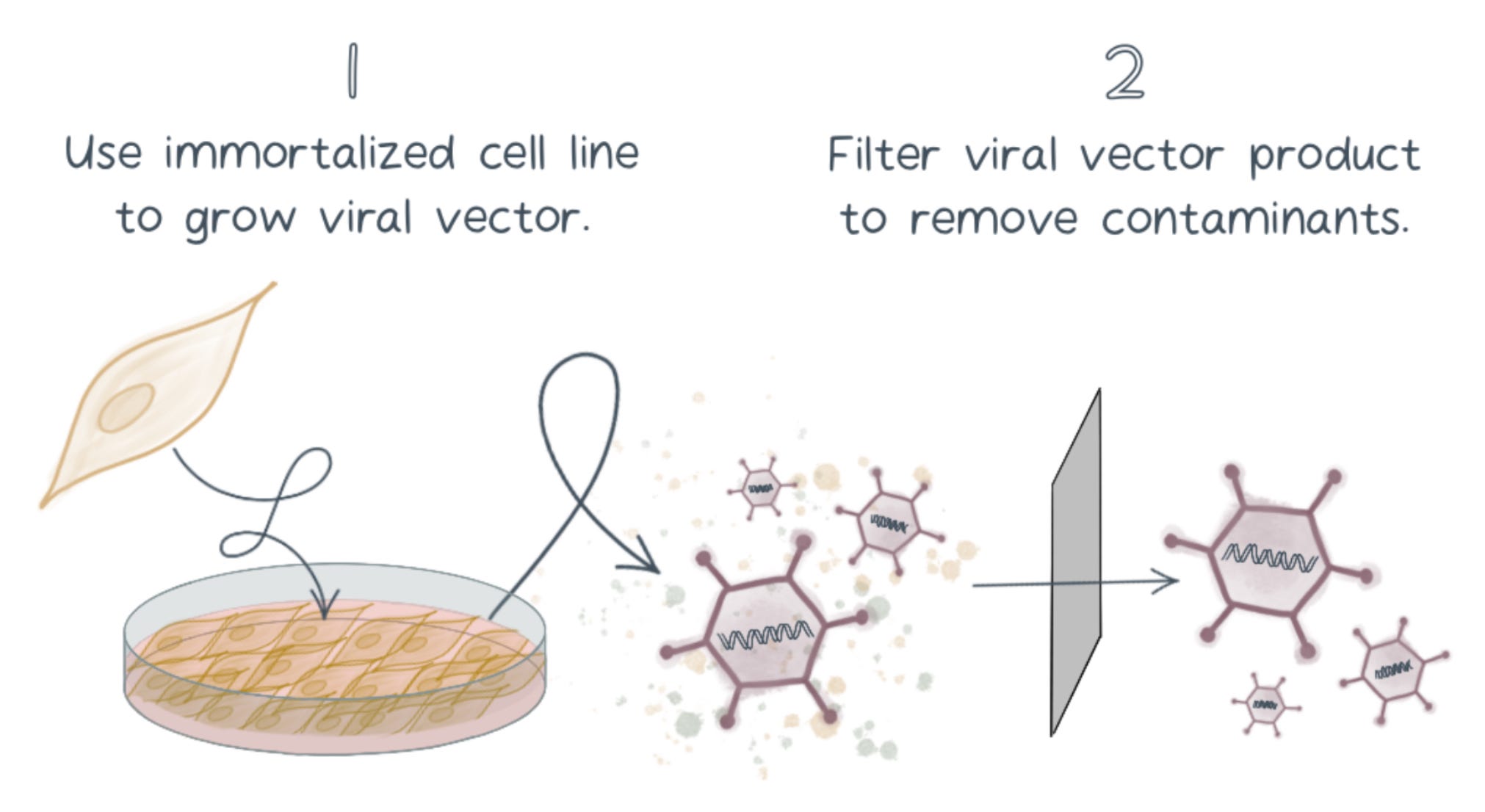
Viral vector-based vaccines are grown in cells. The production process is designed to purify the material, removing as much of the cell material as possible.
2. To Characterize material
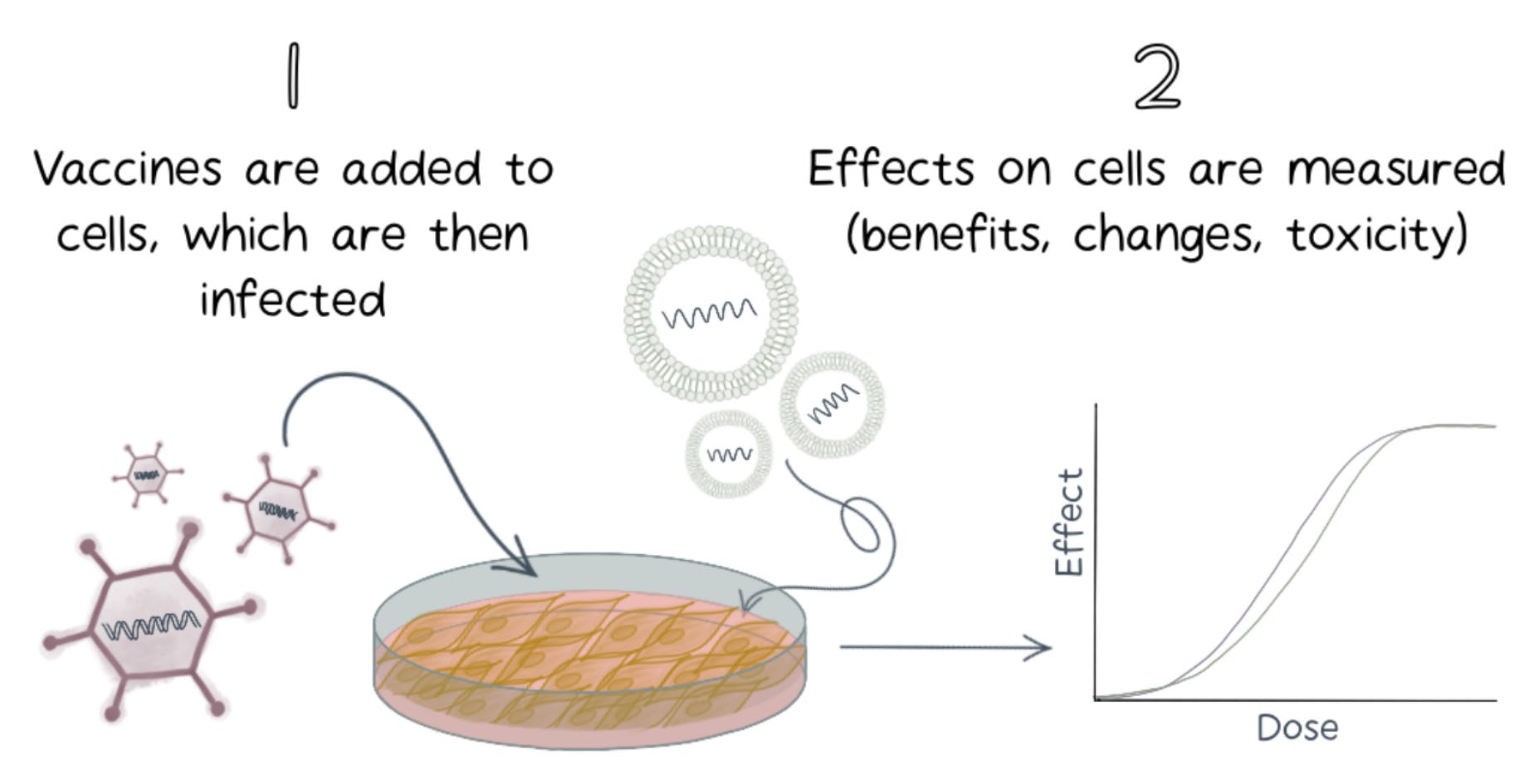
Scientific theories about how a drug is working in the body are often tested in laboratory settings. Things that do not need to be produced in cells are still first tested in cells before moving to animal testing.
Vaccines in development are tested in cells. Testing vaccines in cells provides useful information that characterizes its potency and potential toxicity.
So, where do these cell lines come from?
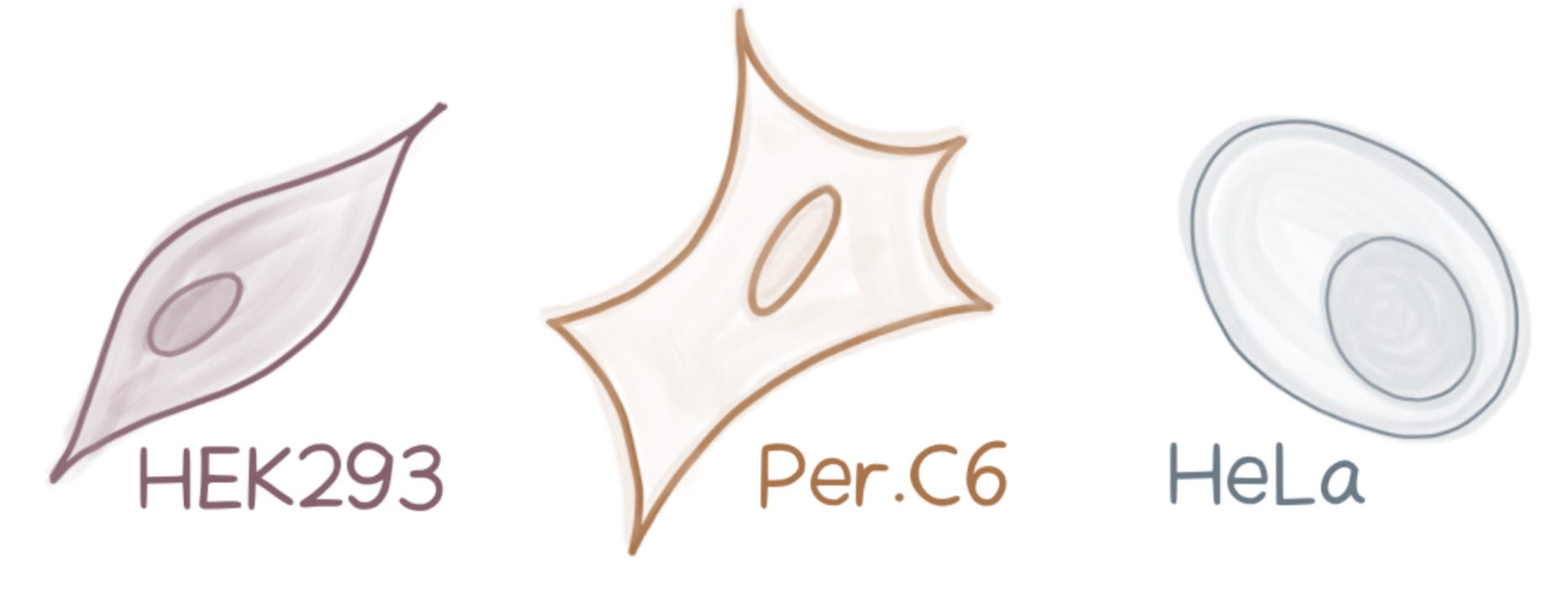
One of the most common cell types used (HEK293) originated from an elective abortion in the Netherlands in 1973. The cells obtained have since been heavily engineered to continue dividing for long periods of time in a lab. Because of this, everyone around the world can trace their cells back to the same origin and the source will never need to be replaced.
Importantly…
Abortions are NOT performed for scientific research and through careful purification, no cells (or pieces of cells) are in vaccines. These cells provide the ability to evaluate early safety and efficacy of new vaccines and medicines.